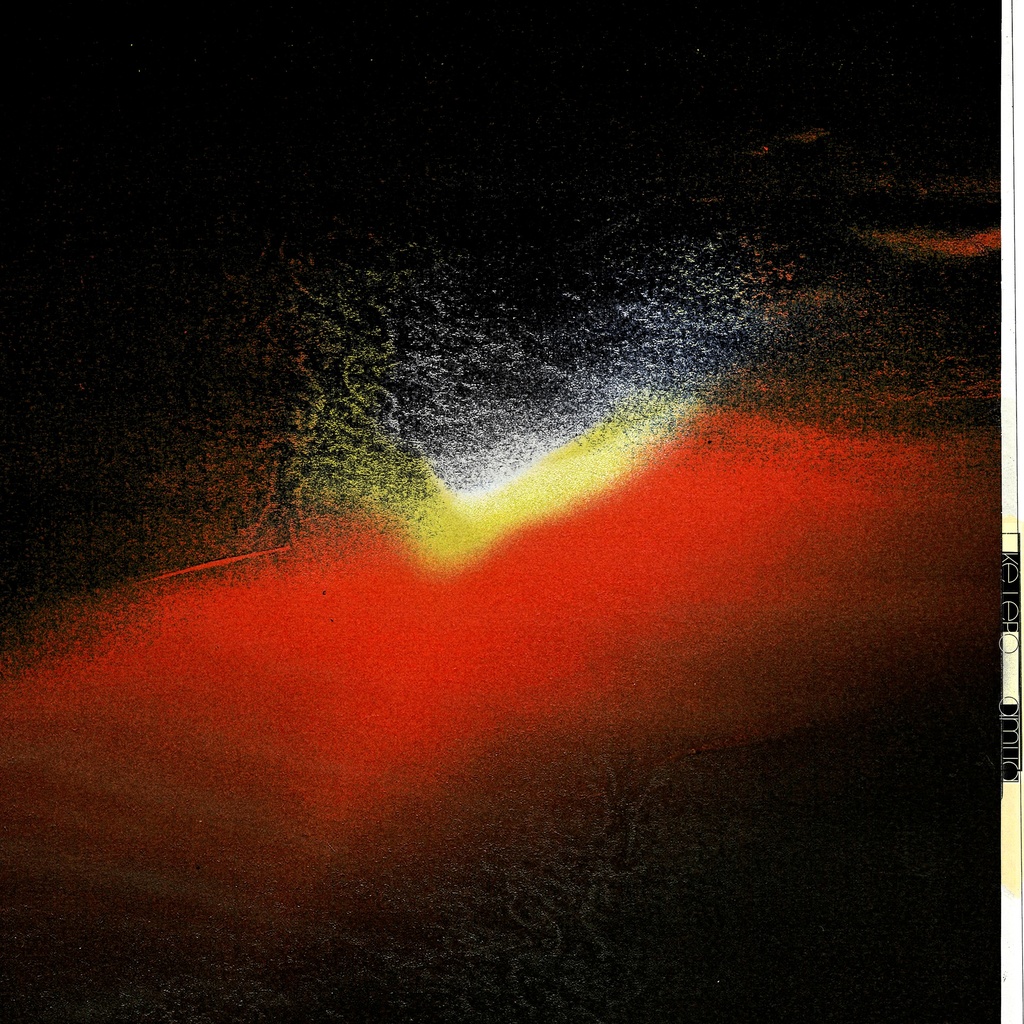
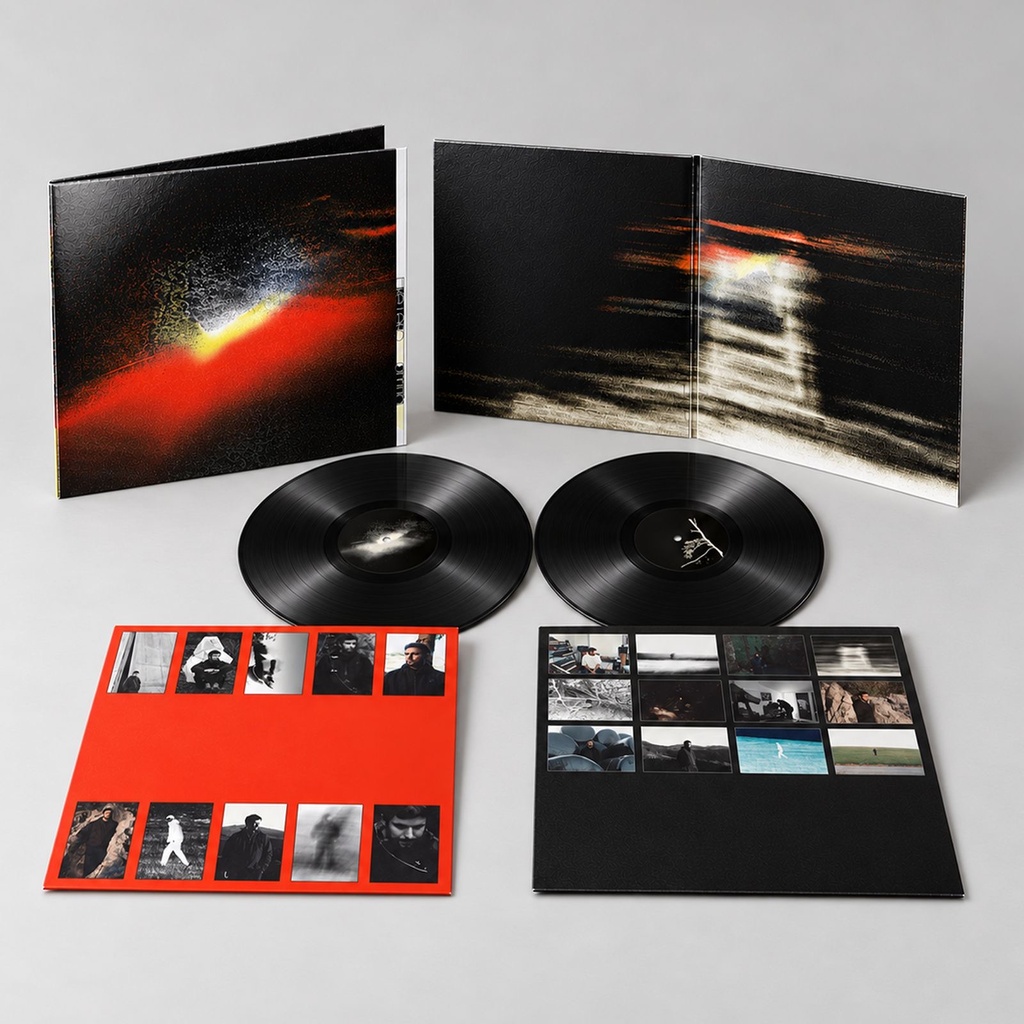
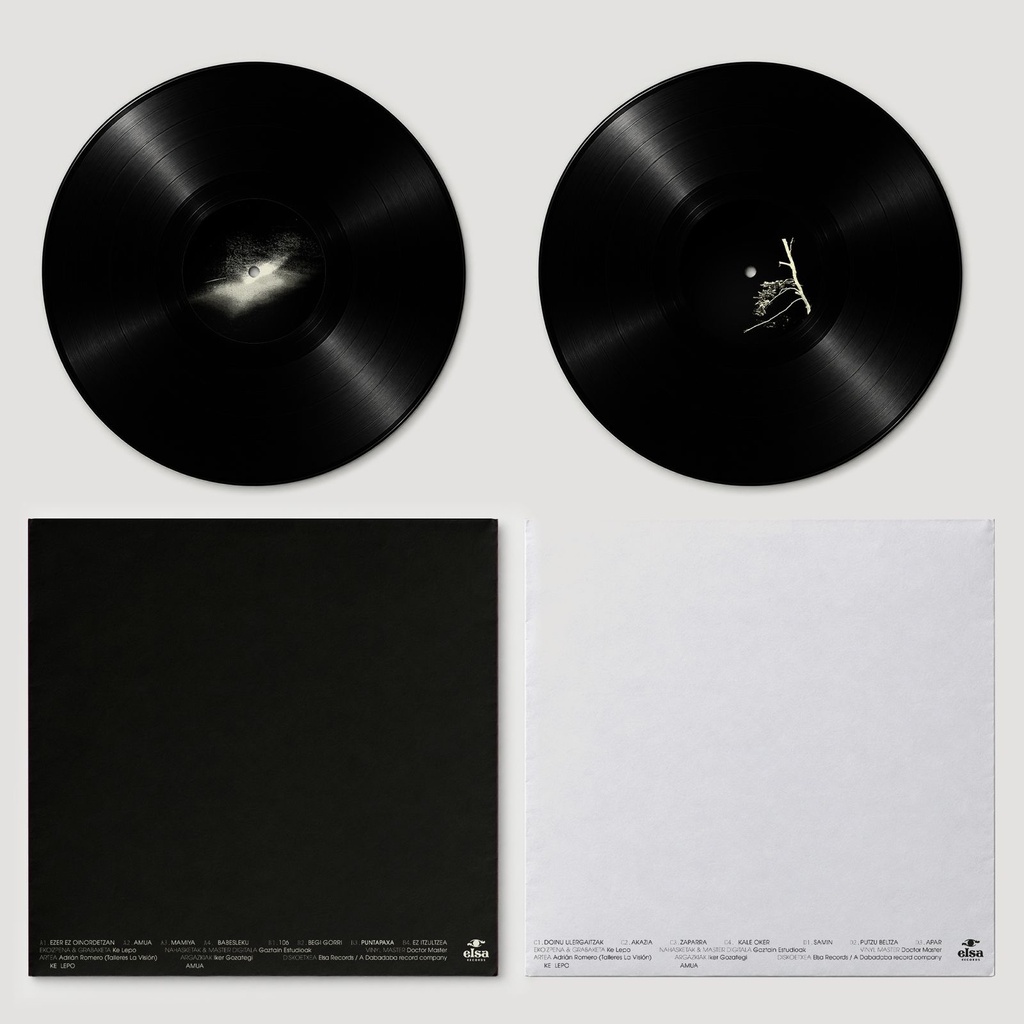
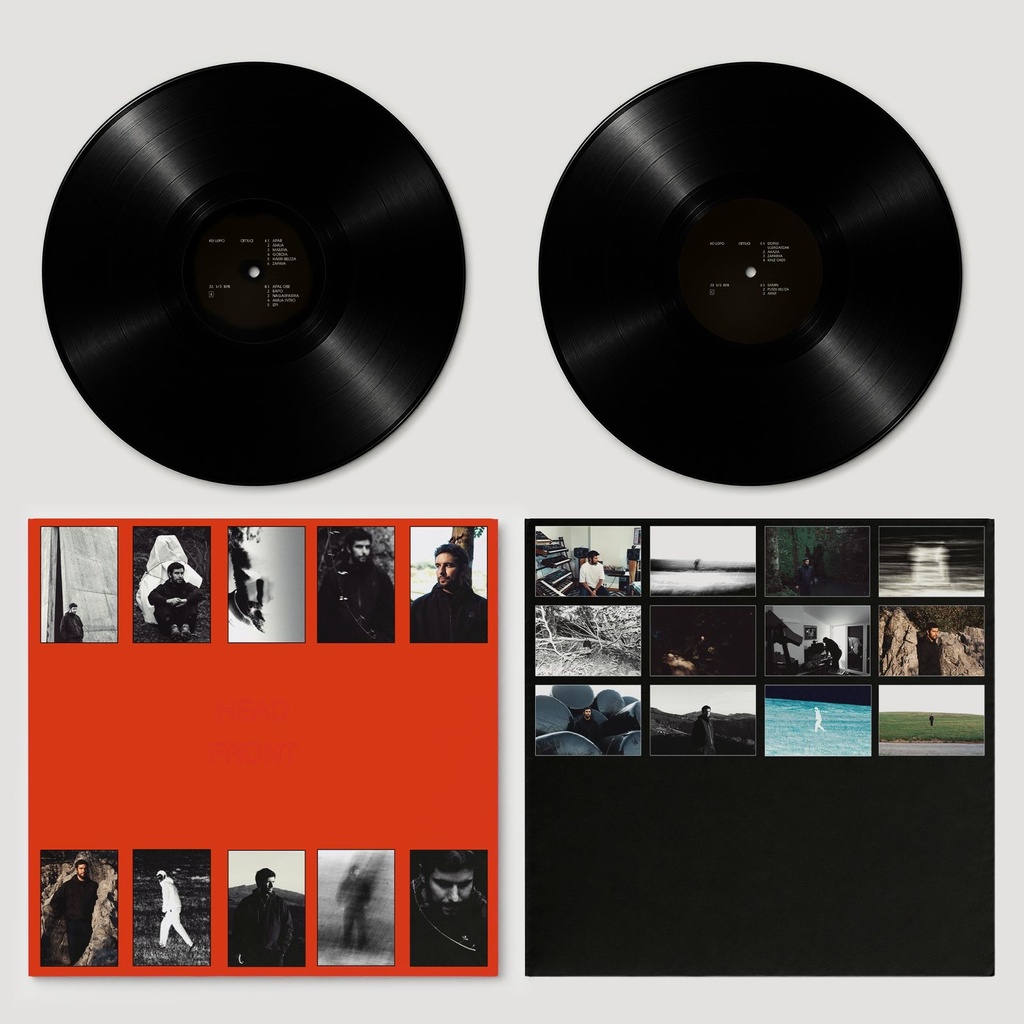
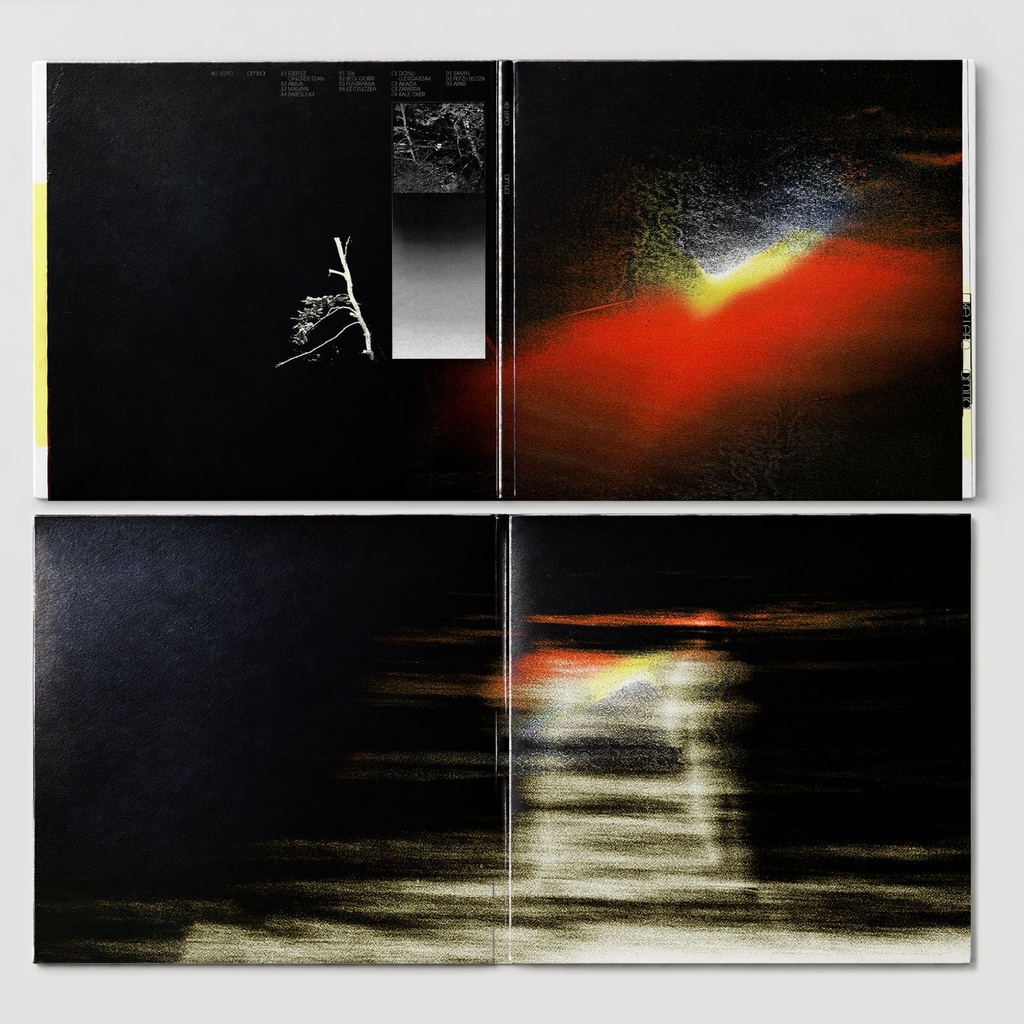
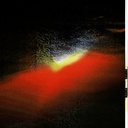
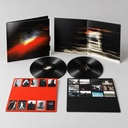
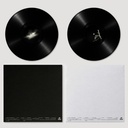
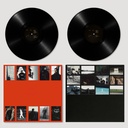
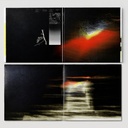
AMUA is the second solo album by producer and musician Alejo Orbegozo (KELEPO) released through Elsa Records, managed by Dabadaba.
It reads as an artistic continuation of his debut IZPI (Forbidden Colours, 2023), whichshares its intimate, sensorial atmosphere. Although the process is similar, this album expands the palette: more instruments and songs developed at depth, some stretching to seven or eight minutes, as they do live. Jamming took precedence over on-screen editing — the relationship between instruments and the artist, searches, improvisation — to squeeze every drop out of endless sequences and rhythm loops.
Some familiar voices from IZPI return. Textures and melodies were built with a Roland JUNO-106, a Moog Muse and a modular synth; unlike his previous work, virtual synthesizers feature at points. Ableton occasionally drew beats, but the core rhythms were built with Perkons HD01 and Korg ER1. One aim was to deepen the emotional pressure, placing ambient tracks at high bpm for more intense results. The intention: start from a marked melody or rhythm and reach new landscapes. The method: contextualize, shape and make sense of those rhythms, then develop them where they find meaning. Cold and dark atmospheres dominate. Having never stopped playing live, Orbegozo carried the energy of his gigs into the studio — spilling his guts and rebuilding older
compositions from scratch. He had planned eight songs; over three years he rescued ideas that surfaced during performances, until the album reached fifteen.
In IZPI ("ray" in Basque) he rendered the light of morning and the mist. In AMUA, the mist stays, but it spreads into a darker, colder place, polluted by the energy of his shows. Melancholy and darkness collide with luminous melodies; broken rhythms seek coherence in apparent chaos. He throws the listener a hook to get lost in the drift, to break free — like the last song of an electronic night.
Utilizamos cookies para ofrecerle una mejor experiencia de usuario en este sitio web.Política de Cookies